Megumi Fushiguro Complete Biography & Power Guide

Megumi Fushiguro, a Grade 2 sorcerer from Tokyo Jujutsu High, wields the legendary Ten Shadows Technique with unmatched strategic skill. This guide dives deep into Megumi jjk biography, powers, battles, relationships, and key moments in the Jujutsu Kaisen series, offering fans and newcomers a complete overview.
Quick Biography Table—Megumi jjk
| Field | Information |
| Kanji | 伏黒恵 |
| Rōmaji | Fushiguro Megumi |
| Full Name | Megumi Fushiguro |
| Alias(es) | Sea Urchin Head (by Hakari), Fushiguro-san, Megumi-kun, Megumi Zenin |
| Species | Human |
| Birthday | December 22, 2002 |
| Age | 15 (start), 16 (current) |
| Gender | Male |
| Height | 175 cm (5’9”) |
| Weight | 60 kg (132 lbs) |
| Hair Colour | Black |
| Eye Colour | Green (Manga), Dark Blue (Anime) |
| Blood Type | Type O (unconfirmed, but widely assumed) |
| Occupation | Jujutsu Sorcerer, First-Year Student at Tokyo Jujutsu High |
| Grade | Grade 2 Sorcerer |
| Affiliation | Tokyo Jujutsu High School |
| Relatives | Toji Fushiguro (Father †), Tsumiki Fushiguro (Step-Sister †), Zenin Clan Members |
| Close Allies | Yuji Itadori, Nobara Kugisaki, Satoru Gojo, Maki Zenin, Yuta Okkotsu, Panda |
| Enemies | Cursed Spirits, Ryomen Sukuna, Mahito, Pseudo-Geto |
| First Appearance | Manga: Chapter 1 ・ Anime: Episode 1 |
| Voice Actors | Yuma Uchida (Japanese), Robbie Daymond (English) |
| Abilities / Skills | Ten Shadows Technique, Shikigami Summoning, Domain Expansion, Immense Cursed Energy |
| Hobbies | Reading books, especially non-fiction |
| Goals | Protect Tsumiki, Defend humanity from Cursed Spirits |
| Hero Type | Determined Summoner |
Past
Megumi Fushiguro’s origins trace back to the complex legacy of the Zenin Clan, though his path diverged dramatically from traditional clan expectations. Born to Toji Fushiguro, the infamous “Sorcerer Killer” who abandoned the Zenin name, Megumi inherited the clan’s prized Ten Shadows Technique despite his father’s complete lack of cursed energy.
This ironic twist of fate positioned Megumi as both an outsider and the most valuable asset the Zenin family possessed.
The young sorcerer’s early life was marked by tragedy and responsibility beyond his years. After Toji’s death, Satoru Gojo discovered Megumi Fushiguro during his first-grade years, recognizing the boy’s immense potential and taking on the role of guardian.
This intervention proved crucial, as Gojo’s protection shielded Megumi from the Zenin Clan’s attempts to claim him and exploit his inherited technique.
Tsumiki Fushiguro, Megumi’s step-sister, became the cornerstone of his moral compass and primary motivation. Her gentle nature contrasted sharply with the harsh realities of the jujutsu world, yet her eventual cursing during the Culling Game would later drive Megumi Fushiguro to desperate measures.
The bond between the siblings shaped Megumi’s fundamental belief in protecting “good people unfairly” affected by circumstances beyond their control.
Megumi JJK Story
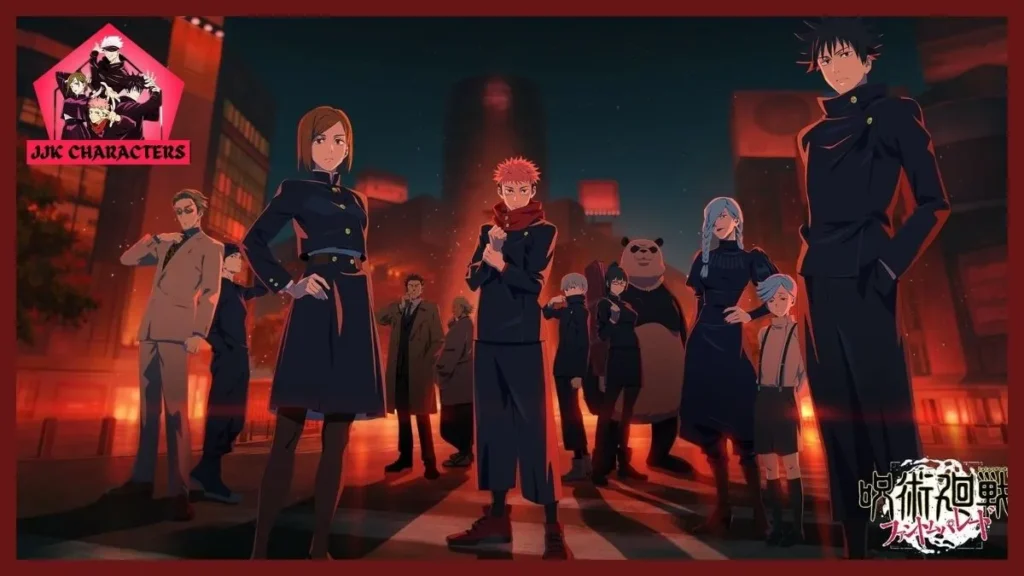
Megumi Fushiguro’s journey as a jujutsu sorcerer began with the Fearsome Womb incident at Eishu Detention Center, where he first encountered Yuji Itadori and witnessed the emergence of Ryomen Sukuna.
This initial mission established the dangerous dynamic between Megumi and the King of Curses, with Sukuna showing unusual interest in the young sorcerer’s potential.
The Kyoto Goodwill Event marked a significant turning point in Megumi’s development. During the Spirit Bash Race, he faced Noritoshi Kamo in combat whilst simultaneously dealing with the invasion of special-grade cursed spirit Hanami.
Working alongside Toge Inumaki, whose Cursed Speech technique proved invaluable in coordinating attacks, Megumi Fushiguro demonstrated tactical brilliance by recognizing Hanami’s weak points and adapting his strategy accordingly.
The Death Painting arc at Yasohachi Bridge showcased Megumi’s growing confidence and technical mastery. His confrontation with the Finger Bearer became a defining moment when he successfully deployed his incomplete Domain Expansion, Chimera Shadow Garden, for the first time.
This victory demonstrated his ability to overcome seemingly impossible odds through strategic thinking and precise cursed energy control.
However, the Shibuya Incident would test Megumi’s resolve like never before. His encounters with Jiro Awasaka, whose Inverse technique initially confounded him, and later with Dagon in the cursed spirit’s Domain, pushed his abilities to their limits.
The appearance of his father Toji, resurrected through Granny Ogami’s seance technique, created a deeply personal conflict that culminated in Toji’s self-destruction upon recognizing his son.
Memory & Mental State
Megumi’s psychological landscape reflects the complex burden of his inherited power and moral convictions. His fundamental philosophy centres on “saving good people unfairly” affected by circumstances, a karmic lens through which he views his role as a jujutsu sorcerer.
This perspective often puts him at odds with traditional jujutsu orthodoxy, as he explicitly states: “I’m not a hero, I’m a jujutsu sorcerer.”
The young sorcerer’s stoicism masks deeper currents of guilt and responsibility, particularly regarding Sukuna’s continued interest in him. This psychological weight intensified during the Culling Game, where his desperate attempts to save Tsumiki led to increasingly reckless decisions.
The revelation that his sister had been possessed by Yorozu shattered his emotional equilibrium, leading to a temporary loss of will that only Yuji Itadori’s unwavering support could restore.
Megumi’s relationship with secrecy reflects his protective instincts and fear of burdening others. His irritation with Gojo’s playful demeanour stems partly from his discomfort with emotional vulnerability, though he gradually learns to rely on his friends.
The competitive push following the Goodwill Event marked his decision to permit himself “selfish” growth, acknowledging that his own strength directly impacts his ability to protect others.
Appearance
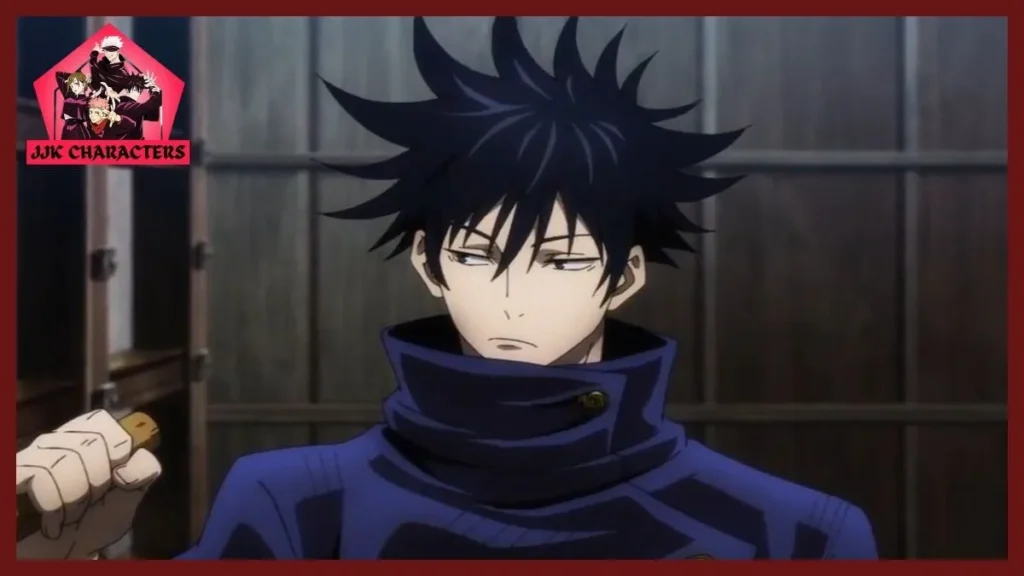
Megumi Fushiguro presents a distinctive appearance that reflects both his serious nature and the physical toll of his battles. His spiky black hair, often described as resembling a sea urchin by Kinji Hakari, frames sharp features dominated by piercing green eyes in the manga or dark blue in the anime adaptation.
Standing at 175 centimeters with a lean build of 60 kilograms, his physique reflects the agility and endurance required for his combat style.
The most striking recent addition to Megumi Fushiguro’s appearance are the three facial scars acquired during his separation from Sukuna following the Shinjuku Showdown. These permanent marks serve as physical reminders of his ordeal and the price of his involvement with the King of Curses.
His typical attire consists of the standard Tokyo Jujutsu High uniform, though he’s also seen in the blue training tracksuit during physical exercises. Flashback sequences show him in his Saitama Urami East Junior High uniform, whilst his infiltration of the Gachinko Fight Club required a black hoodie disguise.
The practical nature of his clothing choices reflects his no-nonsense approach to both daily life and combat situations.
Personality
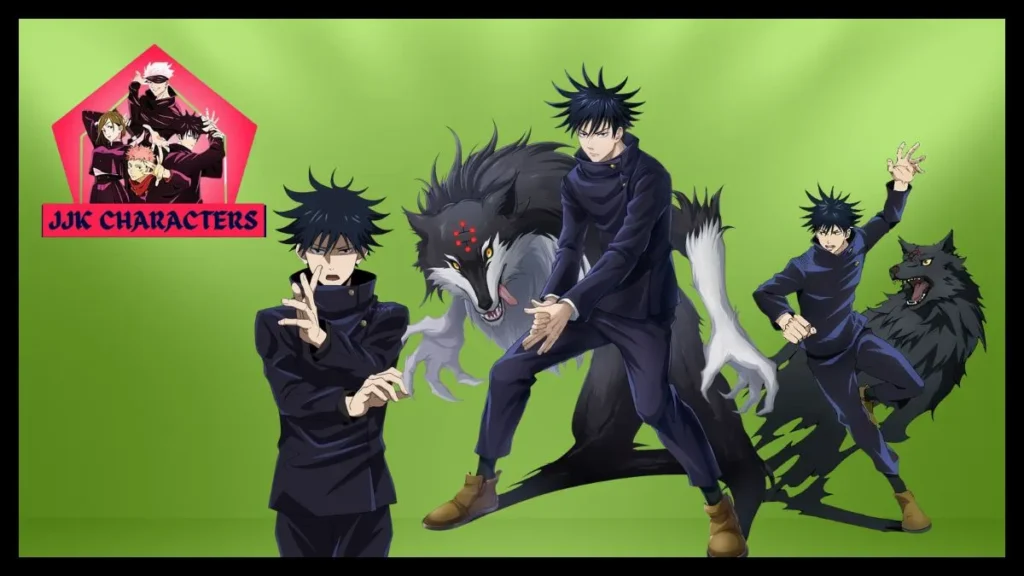
Megumi Fushiguro’s personality embodies a fascinating contradiction between stoic pragmatism and deeply held moral convictions. His aloof exterior masks a calculating mind that consistently prioritises conscience-led decision-making over jujutsu orthodoxy.
This philosophical stance often manifests in his rejection of traditional clan loyalty and his pragmatic approach to wealth and status, viewing such concerns as secondary to genuine human welfare.
The young sorcerer’s easily annoyed demeanour, particularly when dealing with Gojo’s playful antics or Yuji’s occasional naivety, stems from his preference for efficiency and directness.
However, this irritation rarely translates into genuine malice, instead reflecting his discomfort with emotional displays and his tendency to internalize stress. His defence of dignity against bullies during his school years demonstrates an underlying sense of justice that drives many of his actions.
When pressed by Aoi Todo about his “type” of woman, Megumi’s response emphasizing compassion over physical preferences revealed his values-based approach to relationships.
This answer, whilst frustrating Todo, perfectly encapsulated Megumi’s character: someone who values substance over superficiality and moral strength over conventional attractiveness.
Despite his secretive nature, Megumi Fushiguro’s growth throughout the series shows his gradual acceptance of friendship and support. His relationships with Yuji Itadori and Nobara Kugisaki demonstrate his capacity for loyalty and trust, even as he struggles with vulnerability.
This evolution becomes particularly evident during the Culling Game, where his plea to Yuji to start by saving me represents a breakthrough in his willingness to accept help.
Megumi JJK’s Abilities and Powers

Overview
As a Grade 2 Sorcerer with exceptional potential, Megumi Fushiguro represents one of the most promising talents in the current generation of jujutsu sorcerers.
His recognition by figures like Satoru Gojo, Noritoshi Kamo, and Mai Zenin speaks to his remarkable abilities, whilst Sukuna’s particular interest in him suggests power that transcends conventional grading systems.
Megumi’s signature arsenal revolves around the Ten Shadows Technique, complemented by his incomplete Domain Expansion: Chimera Shadow Garden and innovative use of shadow storage for tactical advantages.
His approach to combat emphasizes strategic thinking and adaptability, making him particularly effective against opponents who rely on predictable patterns or overwhelming force.
Intelligence
Megumi’s tactical acumen consistently proves his greatest asset in challenging situations. His ability to recognize incomplete domains during the Eishu Detention Center incident demonstrated analytical skills that surpass many experienced sorcerers.
This pattern continued throughout his career, with notable deductions including Hanami’s weak points during the Kyoto Goodwill Event and Awasaka’s Inverse technique’s upper and lower limits during the Shibuya Incident.
His understanding of Kirara Hoshi’s Love Rendezvous technique, based on Southern Cross constellation logic, showcased his ability to process complex spatial relationships under pressure.
Similarly, his counter-strategy against Reggie Star’s Contractual Re-Creation using water weight and misdirection revealed sophisticated tactical thinking that goes beyond mere pattern recognition.
Perhaps most impressively, Megumi Fushiguro’s creation of a domain hole inside Dagon’s Domain demonstrated advanced understanding of barrier techniques that few sorcerers possess.
His reading of the Kyoto team’s assassination plan and recognition of Blood Manipulation traits further cement his reputation as a strategic thinker who can adapt to evolving battlefield conditions.
Physical Prowess
Despite being primarily a shikigami user, Megumi’s close-quarters combat abilities have grown substantially throughout his development.
His agility and speed allow him to engage directly with opponents whilst maintaining tactical flexibility, a skill particularly evident during his training with Maki Zenin. This physical competence proves crucial when his shikigami are compromised or when situations demand immediate personal intervention.
His endurance and durability have been tested repeatedly, from tanking hits from Sukuna and Todo to continuing combat whilst injured during multiple encounters.
The growth in his weapon integration and taijutsu combinations, especially within his Domain, reflects dedicated training and natural aptitude for physical combat that complements his cursed technique mastery.
Cursed Energy
Megumi Fushiguro possesses remarkably high cursed energy reserves, enabling him to maintain multiple simultaneous shikigami whilst executing complex techniques. His ability to cast Domain Expansion and continue summoning demonstrates exceptional energy management that few sorcerers can match.
The heavy cursed energy cost of techniques like Max Elephant would typically exhaust most users, yet Megumi Fushiguro can follow up with Domain deployment and Totality fusion without significant degradation in performance.
This substantial energy pool, combined with his precise control, allows for the sustained combat effectiveness that has become his trademark. His cursed energy signature, whilst not as overwhelming as Gojo’s or Sukuna’s, possesses a quality that enables the complex shadow manipulations central to his fighting style.
Cursed Technique – Ten Shadows Technique
The Ten Shadows Technique represents the pinnacle of the Zenin Clan’s inherited abilities, and Megumi’s mastery continues to evolve with each encounter.
His shadow manipulation extends beyond simple shikigami summoning to include storage capabilities and, within his Domain, the creation of shadow clones that amplify his tactical options exponentially.
His current shikigami roster demonstrates both losses and evolution: the Divine Dogs evolved into Divine Dog: Totality following the loss of one member, whilst Nue provides essential air mobility and lightning-based attacks.
The Great Serpent, destroyed by Sukuna during their early encounter, represents the permanent cost of facing overwhelming opponents, whilst Toad and The Well’s Unknown Abyss offer versatility through their winged variants when combined with Nue.
Max Elephant serves as Megumi Fushiguro’s primary area-of-effect option, delivering devastating water-based attacks with significant weight behind them.
Rabbit Escape provides essential reconnaissance and decoy capabilities, often creating the openings necessary for more powerful techniques. However, Mahoraga remains the technique’s ultimate trump card an adaptive shikigami of immense power that comes with the potentially fatal risk of the taming ritual.
His Domain Expansion: Chimera Shadow Garden, whilst incomplete and lacking a guaranteed hit effect, provides a 120% amplification to his technique within its enclosed space. The indoor enclosure trick he developed allows for strategic deployment even in suboptimal conditions, turning environmental limitations into tactical advantages.
Weapons and Close Combat
Megumi’s weapon training under Maki’s guidance transformed him from a purely technique-reliant fighter into a well-rounded combatant. His progression from polearm to tonfa to sword work reflects systematic skill development that complements his natural abilities.
The loss of his original black single-edged sword during combat led to his current double-edged weapon with its distinctive ring-shaped pommel, which he wielded effectively against both Awasaka and Reggie Star.
His integration of Playful Cloud, though temporarily loaned to Maki, demonstrated his adaptability with different weapon types.
His current fighting style emphasizes quick weapon swaps facilitated by shadow storage, blunt-side strikes for non-lethal encounters, and seamless integration with shikigami attacks that create unpredictable combination assaults.
Equipment
Megumi’s equipment philosophy prioritizes functionality and tactical flexibility over flashy displays. His cursed tools collection has evolved through necessity and opportunity, beginning with his original black blade that served him through early missions before being destroyed in combat.
The temporary use of Playful Cloud, a Special Grade cursed tool, provided valuable experience with high-level equipment before he passed it to Maki Zenin for more effective utilisation.
His current double-edged sword with its ring-shaped pommel represents a practical upgrade that suits his evolved fighting style. The weapon’s design allows for both cutting and blunt force applications, whilst its compatibility with shadow storage enables the rapid deployment tactics that have become central to his combat approach.
Beyond cursed tools, Megumi Fushiguro’s conventional equipment includes training weapons like polearms and wooden tonfa used during the Goodwill Event. His standard gear encompasses the Tokyo Jujutsu High uniform, communication devices, tablets for mission coordination, and standard mission kits provided by the school.
This practical approach reflects his personality: effective, reliable, and focused on results rather than appearances.
Battles & Events
Megumi’s combat history reads like a progression through increasingly dangerous encounters that shaped both his abilities and worldview. The Fearsome Womb incident at Eishu Detention Center marked his first major mission alongside Yuji, culminating in his later victory against the Finger Bearer through strategic Domain deployment.
His early confrontation with Sukuna established the dangerous dynamic that would define much of his character arc.
The Kyoto Goodwill Event provided multiple significant battles, from his tactical duel with Noritoshi Kamo to the coordinated assault against Hanami alongside Kamo and Toge Inumaki.
His partnership with Maki during the Hanami encounter demonstrated his growing ability to coordinate with other fighters, whilst the subsequent Baseball Game offered lighter moments that balanced the series’ intensity.
The Death Painting arc’s Yasohachi Bridge mission and Finger Bearer confrontation represented a turning point where Megumi’s Domain mastery first emerged victorious.
However, the Shibuya Incident tested him like never before, with battles against Jiro Awasaka, the group encounter with Dagon, his emotional confrontation with Toji, and his involvement in Sukuna’s devastating clash with Mahoraga.
The Perfect Preparation phase saw him working with Panda against Kirara, showcasing his deductive abilities, whilst the Culling Game brought encounters with Reggie’s group and his ultimate victory against Reggie Star himself.
Each battle contributed to his evolution from a promising student to a formidable sorcerer capable of standing alongside the strongest fighters in the jujutsu world.
Relationships
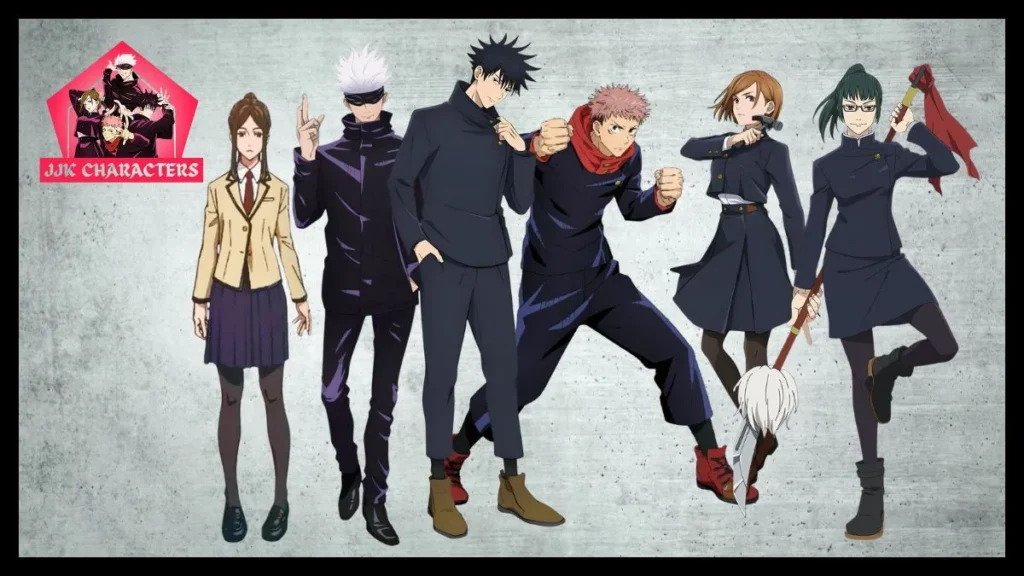
Megumi Fushiguro’s relationships form the emotional backbone of his character development, with each connection revealing different facets of his complex personality. Satoru Gojo serves as both guardian and mentor, their dynamic characterized by Gojo’s playful teasing and Megumi’s exasperated responses.
Despite his irritation with Gojo’s antics, Megumi Fushiguro deeply respects his teacher’s strength and guidance, recognizing that Gojo’s protection allowed him to develop outside the Zenin Clan’s oppressive influence.
Tsumiki Fushiguro remains Megumi’s primary emotional anchor and driving motivation. Her gentle nature and moral compass shaped his fundamental beliefs about protecting innocent people, whilst her cursing during the Culling Game pushed him to increasingly desperate measures.
The tragic revelation that she had been possessed by Yorozu represents one of the most devastating moments in Megumi jjk’s journey, temporarily breaking his resolve until Yuji’s support helped him recover.
His friendship with Yuji Itadori evolved from initial wariness to deep mutual respect and trust. Their contrasting personalities—Yuji’s optimism against Megumi’s pragmatism—create a dynamic that strengthens both characters.
Megumi’s eventual plea to Yuji to “start by saving me” during the Culling Game marked a crucial breakthrough in his willingness to accept help and vulnerability.
Nobara Kugisaki serves as both ally and occasional foil, her directness often cutting through Megumi Fushiguro’s tendency toward overthinking. Their partnership during missions demonstrates effective tactical coordination, whilst her blunt observations about his personality provide moments of levity and insight.
The Zenin Clan connections remain complex and largely antagonistic. Maki Zenin represents the positive potential of clan relationships, with their training sessions and mutual respect highlighting shared values despite different approaches.
His relationships with other clan members like Naobito, Naoya, and Mai range from indifferent to hostile, reflecting his rejection of traditional clan hierarchies and expectations.
Toge Inumaki and Panda provide steady friendship and support, with Toge’s Cursed Speech technique proving invaluable during coordinated battles.
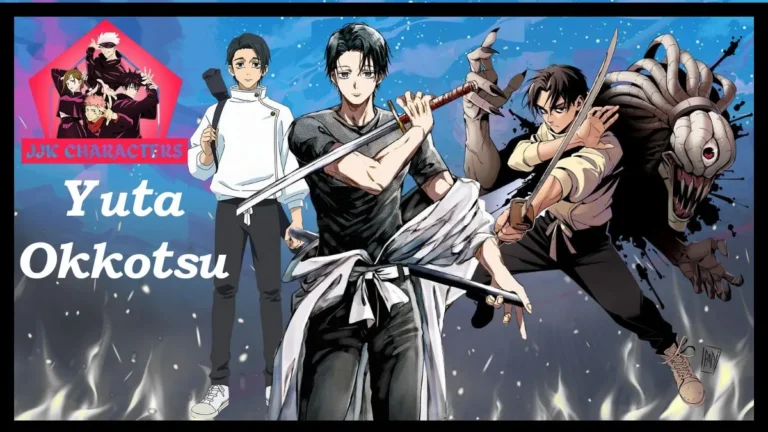
Yuta Okkotsu represents an aspirational figure whose strength and character Megumi respects, whilst Takuma Ino and Shoko Ieiri offer different perspectives on the jujutsu world.
The Culling Game introduced new relationships with Kirara Hoshi and Kinji Hakari, whose eventual alliance proved crucial for larger conflicts. Hana Kurusu and The Angel’s affection toward Megumi Fushiguro added romantic undertones that he typically deflects with characteristic awkwardness.
His antagonistic relationships with figures like Sukuna, Haruta Shigemo, and Dagon shaped his understanding of genuine evil and the necessity of decisive action. Noritoshi Kamo occupies a unique position as both rival and peer, their encounters highlighting different approaches to inherited techniques and clan expectations.
Media Presence
Megumi Fushiguro has achieved significant popularity across multiple media platforms since his debut in the Jujutsu Kaisen manga and subsequent anime adaptation by MAPPA. His consistent high rankings in popularity polls frequently placing in the top three positions demonstrate his appeal to both domestic and international audiences.
Yuma Uchida’s Japanese voice performance captures Megumi’s stoic nature whilst conveying the underlying emotional depth that drives his character. Natsumi Fujiwara provides the voice for young Megumi in flashback sequences, maintaining consistency across different life stages.
The English dub features Robbie Daymond, whose interpretation emphasizes Megumi’s analytical nature and dry humor.
The character’s presence extends beyond the core series into various gaming platforms, including console titles like Cursed Clash and mobile games such as Phantom Parade.
These appearances often highlight his Ten Shadows Technique and strategic combat style, allowing players to experience his unique abilities firsthand.
Merchandise featuring Megumi Fushiguro includes detailed figures that capture his distinctive appearance and various expressions, from his typical stoic demeanor to rare moments of surprise or determination. His popularity has also led to collaborative products and limited-edition items that celebrate key moments from his character arc.
Trivia
The Official Fanbook reveals fascinating details about Megumi’s character that extend beyond his manga appearances. His enrollment at Tokyo Jujutsu High stemmed directly from his family lineage and Gojo’s intervention, whilst his hobby of reading non-fiction reflects his analytical nature and desire for practical knowledge.
His food preferences include a particular fondness for dishes with ginger, whilst he notably dislikes red bell peppers and sweet accompaniments to meals. These details, whilst seemingly minor, contribute to his characterization as someone with specific tastes and preferences that reflect his no-nonsense personality.
Megumi’s stressor being “people” aligns with his introverted nature and preference for solitude or small groups. His strong memory serves him well in tactical situations, though his rarity in laughing until the Death Painting arc highlights his serious disposition and the gradual emotional growth throughout the series.
The revelation that his tablet belongs to the school rather than being personal property reflects both his practical approach to technology and the institutional support provided by Tokyo Jujutsu High.
His first meeting with Gojo during first grade established the foundation for their long-term relationship and Megumi Fushiguro’s protection from clan politics.
His clothing preferences lean toward casual comfort rather than fashion statements, whilst Gege Akutami has noted that his hairstyle’s erratic nature reflects the character’s practical approach to grooming.
The etymology of his name presents an interesting contrast, with “Megumi” traditionally being a feminine-leaning given name, whilst his surname’s kanji perfectly suits his shadow-based abilities.
The character’s theme songs, including Uchujin’s “Hakujitsumu” and Weezer’s “Island in the Sun,” provide insight into the emotional landscape that Akutami associates with Megumi’s character development and internal struggles.
Megumi JJK’s – References
Jujutsu Kaisen Manga – Chapter 1: Megumi’s first appearance, his encounter with Yuji Itadori, and the introduction of the Ten Shadows Technique.
Chapters 8–9: Megumi’s fight against the Finger Bearer, showcasing his potential and first hints of Sukuna’s interest in him.
Chapter 22–31 (Kyoto Sister School Exchange Arc): Participation in the exchange event, teamwork with Yuji, and growth in battle strategy.
Chapter 53–90 (Shibuya Incident Arc): Major battles, including his near-death experience and use of Domain Expansion (Chimera Shadow Garden).
Chapter 117–119: Critical fight where he summons Mahoraga, his ultimate shikigami, revealing the danger and cost of his technique.
Chapter 147: Background expansion about his ties with the Zen’in Clan and Gojo’s guardianship.
Chapter 158–173 (Culling Game Arc): His leadership role, strategies, and battle against Reggie Star.
Chapter 212 onward: Sukuna’s possession of Megumi, marking his most tragic turn in the series.
Jujutsu Kaisen Anime – Episodes 1–2: Debut in animated form, recruitment of Yuji into Jujutsu High.
Episodes 19, 23, 24 (Season 1): Key fights, especially against Special Grade Cursed Spirits.
Season 2 (Shibuya Arc): Adaptation of his Domain Expansion and Sukuna-related events.
Jujutsu Kaisen Official Fanbook (2021): Creator insights into Megumi’s abilities, character design, and hidden potential.
Gege Akutami Interviews (Weekly Shonen Jump): Commentary on Megumi’s role as Sukuna’s “ideal vessel” and his importance to the overarching story.
Navigation
Yuji Itadori — In‑Universe Biography (Jujutsu Kaisen)
Yuta Okkotsu: Full Biography & Role in JJK
Toge Inumaki: Complete Biography
Maki Zenin: The Non-Sorcerer Warrior’s Journey in Jujutsu Kaisen
Frequently Asked Questions
How old is Megumi?
Megumi Fushiguro is currently 16 years old, having started the series at 15.
Does Megumi have any love interest?
Megumi Fushiguro hasn’t shown romantic interest in any specific character.
What does Megumi want in a girl?
He says “compassion” matters more than a specific type (Goodwill Event exchange with Todo).
Who has a crush on Megumi?
Hana Kurusu/The Angel shows clear affection; not formalized as a relationship.
Why is Megumi so special?
Inherited Ten Shadows Technique, early Domain Expansion, high tactical ceiling, Sukuna’s fixation.
Who married Fushiguro?
No canon marriage.
Conclusion
Megumi Fushiguro represents the evolution of traditional jujutsu values through a modern lens, combining inherited power with personal conviction to forge a unique path in the sorcery world.
His journey from a reluctant student burdened by family legacy to a confident sorcerer who chooses his own moral compass demonstrates the series’ themes of growth, friendship, and the courage to challenge established systems.
His mastery of the Ten Shadows Technique, strategic brilliance in combat, and unwavering commitment to protecting innocent people establish him as both a formidable fighter and a moral anchor for his generation.
The relationships he’s built with Yuji, Nobara, Gojo, and others prove that strength comes not just from individual ability but from the connections that support and challenge us to become better.
As the jujutsu world faces unprecedented threats, Megumi Fushiguro’s combination of inherited power, tactical intelligence, and hard-earned wisdom positions him as a crucial figure in determining humanity’s future.
His story continues to unfold, but his impact on both his allies and the broader narrative remains undeniable a testament to the power of choosing compassion over tradition and growth over stagnation.